Car Review
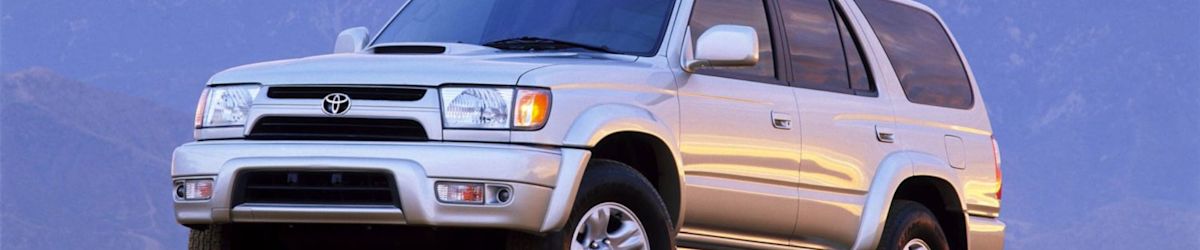
The popular Toyota 4Runner SUV has been around for about 40 years, going into production in October 1983 in Japan. In that time, it has become a North American favorite for its capability, reliability and value. The third-generation 4Runner ranked highly among KSL Cars user searches in 2022, so we decided to take a closer look at the details surrounding the SUV that was — and still is — a forerunner in its segment. Find a 4Runner for sale
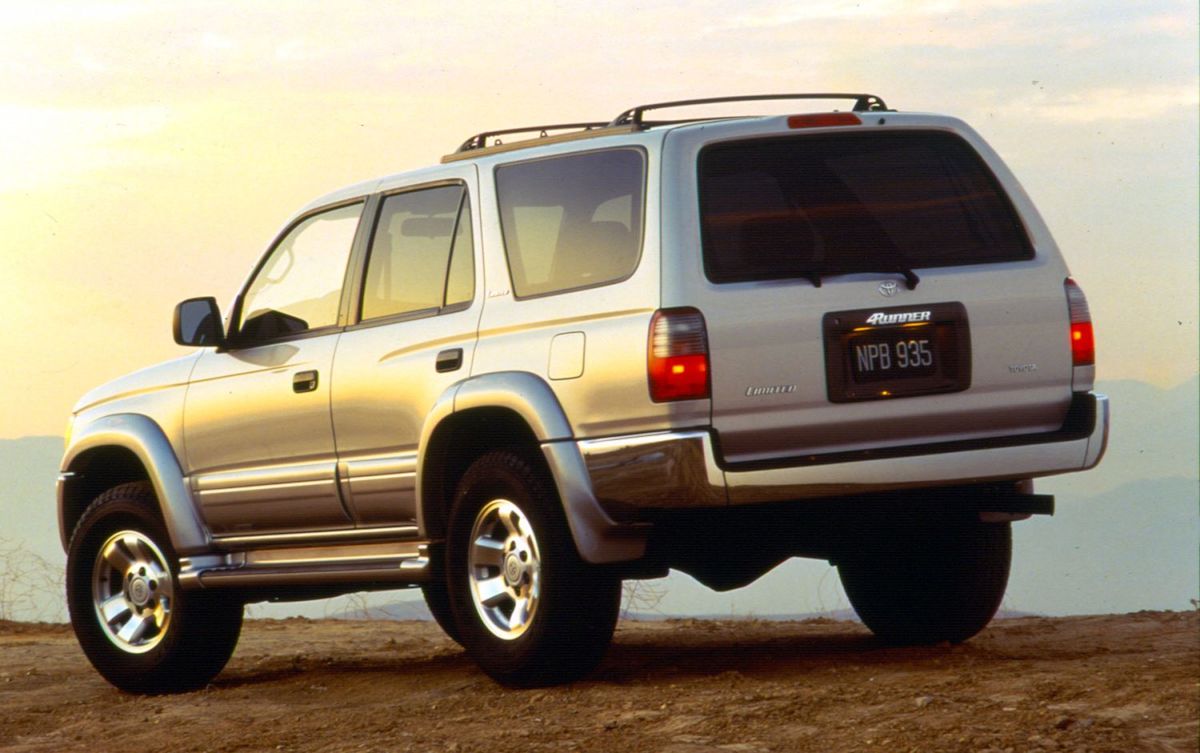
The third-generation 4Runner rides on Toyota’s N180 platform and was classified as a midsize SUV. Offered in model years 1996-2002, this generation shared select engineering elements with its sibling, the Toyota Tacoma pickup. When compared to the outgoing second-generation 4Runner, sold from model years 1990-1995, the third-generation models had a longer wheelbase and additional interior cargo room. See 1996 to 2002 4Runners for sale
The 4Runner had the advantage of leveraging existing drivetrains from other Toyota products. Thus, when the SUV craze took off in the late 1990s, the engineering was ready. Today, crossovers and SUVs continue to be in high demand, so well-kept, older 4Runners have held their value. According to a recent study, Toyota had the lowest 5 year depreciation of any brand.
Off-road enthusiasts embraced the availability of an electric locker for the 4Runner’s rear differential, a feature that had previously been offered exclusively on the larger three-row Land Cruiser. Speaking of off-roading, the suspension was one of the 4Runner’s strongest attributes for folks who enjoyed getting a little mud on the tires. Up front, underpinnings consisted of a double-wishbone arrangement with coil springs, while a four-link coil-sprung setup was configured in the rear. All this infrastructure made for a solid base for trail excursions without adversely affecting ride quality.
For the safety-conscious, one added benefit of the third-generation 4Runner over its predecessor was advanced safety technology, including air bags and anti-lock braking systems.
Two different engines were available for the third-generation 4Runner in North America. The first was a 2.7-liter 3RZ-FE inline-4 which produced 150 horsepower and 177 pound-feet of torque. The second was a 3.4-liter 5VZ-FE V6 which produced 183 horsepower and 217 pound-feet of torque. The latter’s higher output motor was good for a 3,000 to 5,000 pound towing capacity, which was perfect for someone with a small camp trailer or boat.
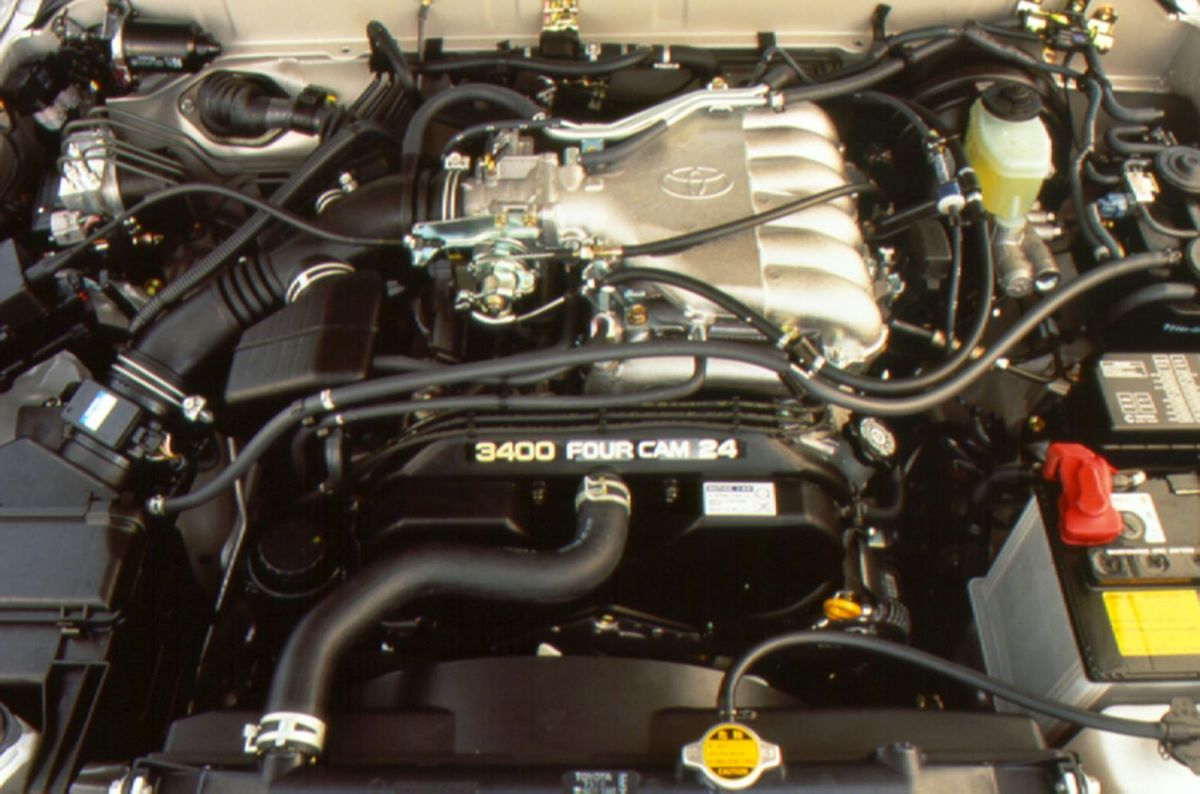
Transmissions included a 5-speed manual and a 4-speed automatic, although the 2000 model year was the last time the 4Runner was available with a manual transmission. In 2001, the V6 became the only available engine for North American models. The 4Runner could be optioned in either rear-wheel drive or four-wheel drive. For some model years, the four-wheel drive system could be engaged on-the-fly, which Toyota referred to as “one-touch high-4.”
The inline-4 motor and 5-speed manual transmission were economical enough to deliver 25 mpg on the highway and 20 in the city, while the larger V6 maxed out at 19 mpg on the highway.
Year-over-year changes to the third-generation 4Runner were largely cosmetic in nature. In 1997, a color-keyed cargo cover was added, and in 1998 there were changes to the interior. A refresh took place in 1999 that modernized the front end with a new bumper, new headlights, fog lamps and turn signals. Check out 4Runner listings
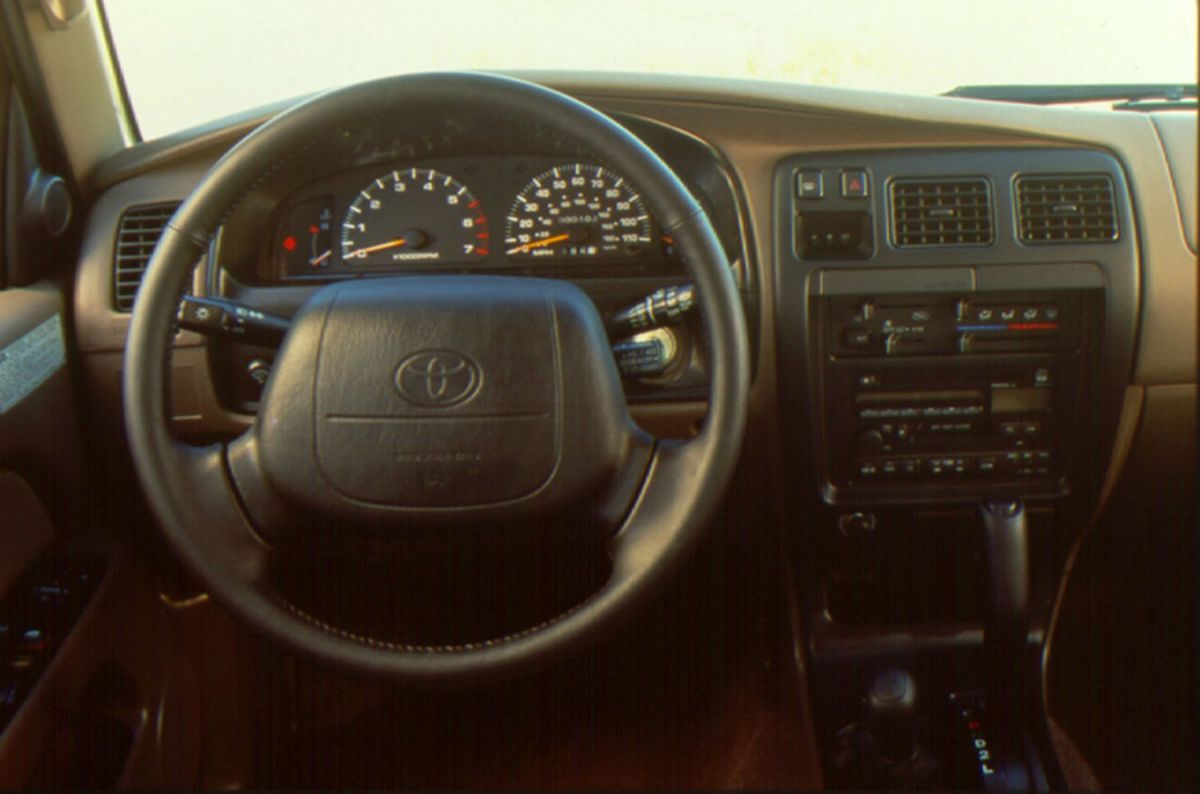
Similar updates were applied to the instrument panel, with a new gauge cluster, a digital odometer and added stereo options to keep up with evolving technology. A cosmetic facelift was applied in 2001 with a different grille, new taillights and 5-spoke wheels. Few changes were made for the last model year of the third generation in 2002.
The third-generation 4Runner launched in three different trim levels, ranging from a $19,488 base version to a $32,988 Limited four-wheel drive model in 1996. Sandwiched between them was the SR5 at $24,048 which became the highest-volume offering. Included in its packaging were power convenience options, chrome bumpers and color-keyed side view mirrors. The Limited had amenities like leather upholstery, fender flares and unique wheels. Here are some third-gen 4Runners for sale
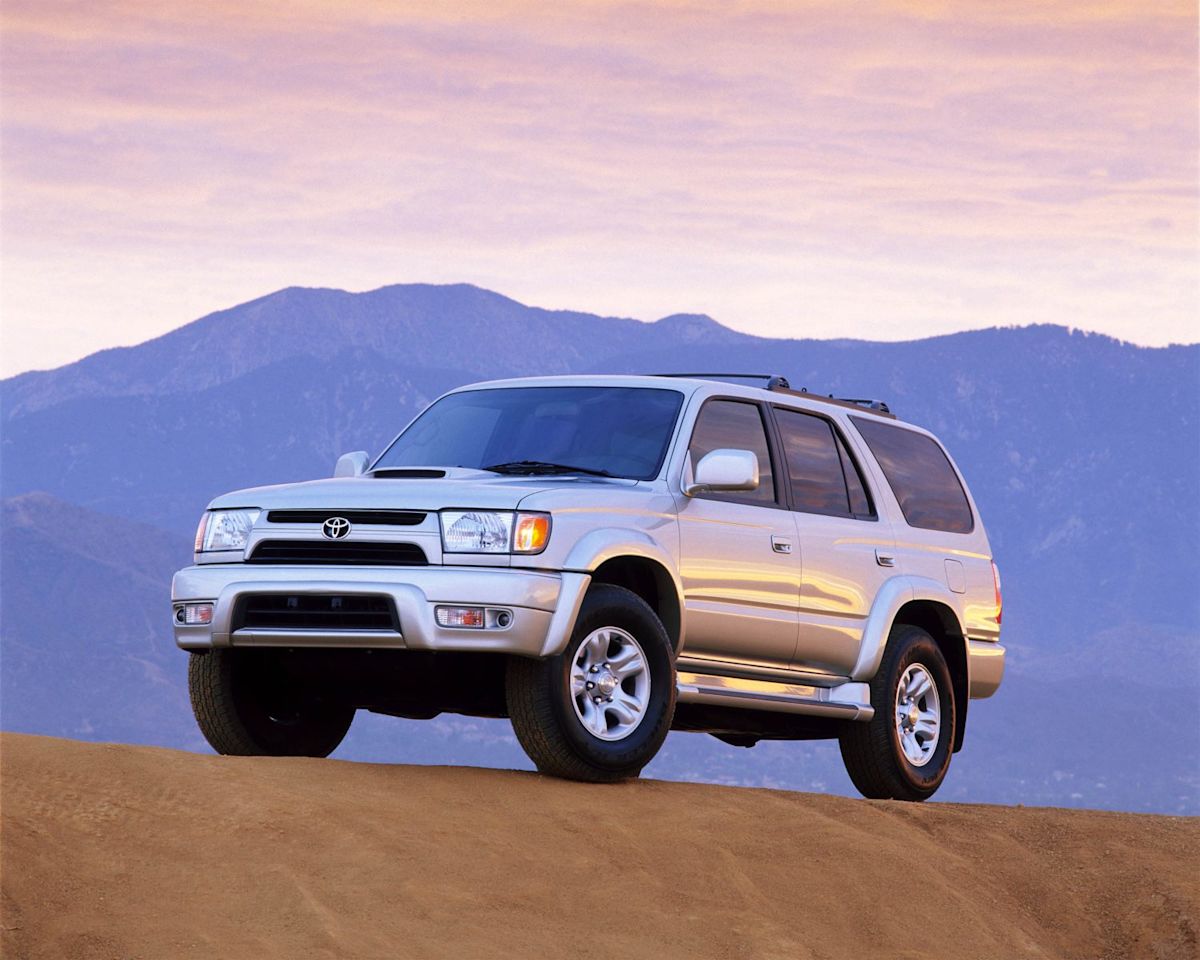
The third-generation 4Runner combines cargo-carrying versatility, value, all-terrain ruggedness and reliability. Those are some of the reasons why KSL Cars readers have made it one of the most frequently searched vehicles on the platform.
Ready to add a 4Runner or similar SUV to your own garage? Check out what’s available on the KSL Cars listings.
The makes and models mentioned in this article are not placed in any particular order, nor intended to be viewed as a ranked list. KSL Cars does not endorse any vehicles. The views or opinions expressed in this article are those of the writer and do not reflect the views or opinions of KSL.com or its employees.