Car Buying Tips

Buying a previously owned vehicle can save you thousands of dollars over a new one. Not only do you pay less upfront, you also have less depreciation and lower insurance costs. But how do you know if what you’re buying is as good as it looks? That depends on its history, and one indicator of that is its title type.
Every vehicle in the United States must have a title. It states the owner of the vehicle and whether there are any liens. If you financed a vehicle, the money lender holds onto the title until the car loan has been paid in full. When you sell a vehicle, it must be transferred to the new owner.
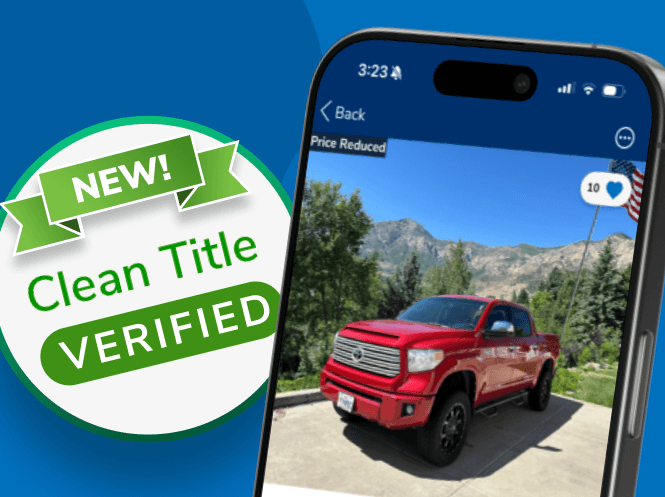
When you search listings on KSL Cars, you can narrow down your results based on the title type: clean, dismantled, rebuilt/reconstructed and salvage. Unlike high school labels, these ones actually mean something.
There are two general types of car titles in Utah: clean and branded. A clean title means the vehicle has never been declared a total loss by an insurance company. That doesn’t mean it has never been in an accident, just that no significant damage has been reported. The opposite would be a branded title.
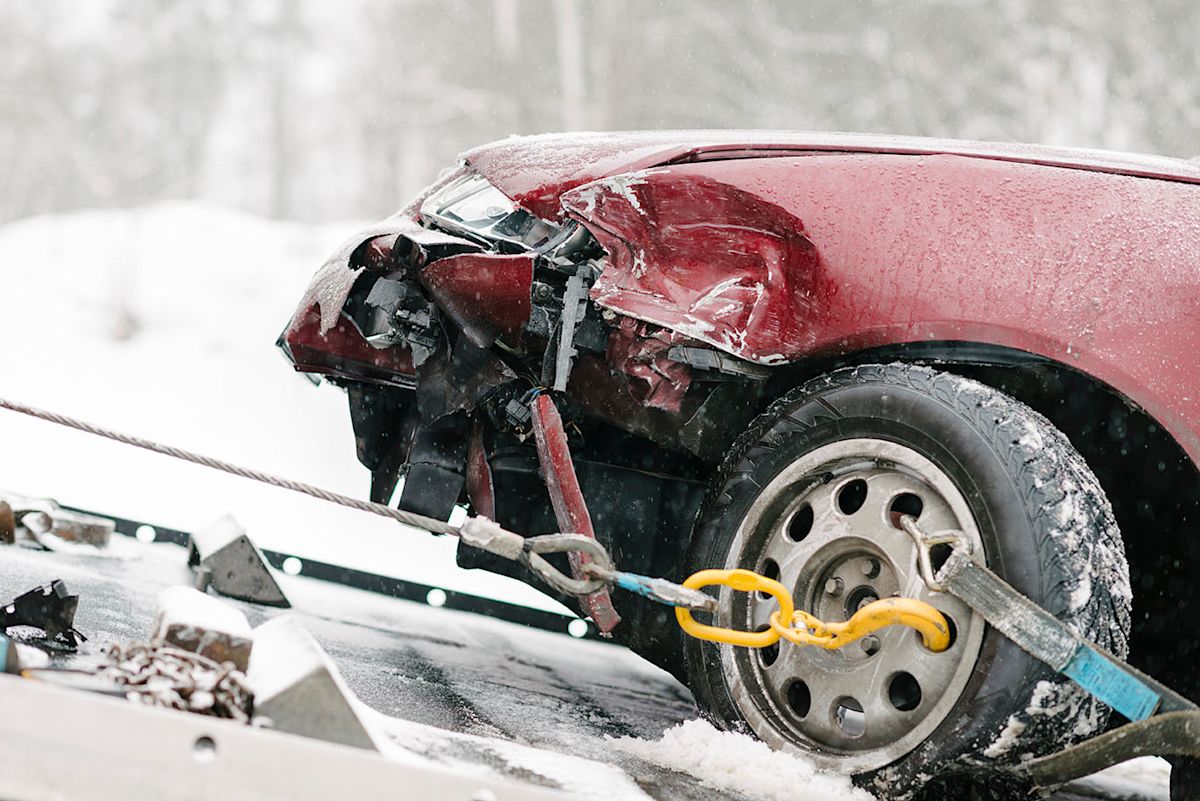
Once a vehicle incurs serious structural damage, it can no longer sport a "clean" title.
Branded titles cover salvage and rebuilt/reconstructed vehicles. If a car in Utah is branded a salvage title, that means it’s been through some tough times. That might include:
Damage from a serious collision
Significant hail damage
Stolen and stripped or heavily damaged
Odometer was illegally rolled back
Damage from a flood
(Note to self: When you’re told not to drive through deep, standing water, there’s a reason.)
The salvage label means it has been declared a total loss; an insurance company determined the cost to repair the vehicle was more than its fair market value, per the National Automobile Dealers Association.
Once in a brand, always in a brand. That is to say, if a vehicle title has ever been branded, it remains so, regardless of any repair work or part replacements. In Utah, however, it may still be legally registered.
Similar to a salvage title, this is for vehicles that have been so severely damaged that it’s not worth the cost to fix. In this case, the vehicle is usually sold strictly for replacement parts.
A rebuilt title was once a salvage vehicle, but it has been repaired and restored so it is safe and legal to drive. Anyone selling a vehicle with a rebuilt or salvage title is required to make the buyer and lien-holder aware of its status.
A dealership must display an official disclosure statement in the lower corner of the passenger side window. Private sellers must also show potential buyers the disclosure, although they are not required to leave it in the vehicle.
A branded title may also apply to an automobile that has been reconstructed. This is when essential parts — the body and frame — have been altered from the car’s original state. You know, like Frankenstein, but with much better results.
For example, if the body of a 1994 Honda Civic was mounted onto a 1996 Civic frame, it is considered reconstructed. On the car’s title, the listed year and make are based on what the revised vehicle looks like — in this case, a 1996 Honda.
Regardless of who you're buying from, it's a good idea to closely inspect the vehicle.
Even if the previously owned car is listed for sale with a clean title, you should perform a closer inspection in person. Just because the seller says the car is in great shape, you don’t have to take their word for it. This is true regardless of whether it's a private seller or a business.
Plan on checking the car out during daylight hours, when you can better see imperfections. A rebuilt/reconstructed vehicle often has telltale signs.
Check door gaps: The door shouldn’t touch the fender when you open it.
Compare both sides: Both sides of the vehicle should look exactly the same.
Look for body filler: Dents and repairs can be hard to spot, so run your hands across the hood and doors to feel for any rough areas or dents.
Examine paint: Check that the paint on the outside of the vehicle matches the paint on the door jambs, moldings and under the hood. Is one panel a slightly different shade or sheen?
Check body panel fit: Gaps should not be wider on one side of the car.
For a more thorough inspection, enlist a mechanic. They can examine the engine to be sure all parts and belts are working properly. They’ll also literally get under the car to check for cracks, leaks, dents and other body damage. Get a complete mechanical report that includes any near-future repairs the car may need.
If you see a vehicle listed for sale for a much lower price than similar models, chances are it has a branded title. And while the cheap cost is appealing, there are other factors to consider.
If the damage is purely cosmetic — the entire top is pockmarked by hail — then your only concern is aesthetics. Who cares if it looks like a motorized golf ball?
If it has serious collision damage, it should probably be a pass. There could be safety issues, particularly if the body integrity has been compromised. Although a rebuilt vehicle may look just fine, there could be lingering mechanical issues, too. So, while it may be cheap at the outset, you could have ongoing repairs to deal with. And regular trips to the shop can quickly overcome any initial savings.
However, if you're a mechanic who enjoys the challenge of bringing something back to life, this might be a rewarding project. It could also be a good source for replacement parts.
You can double check the reason for the branded title by requesting a Carfax report right on the KSL listing. You’ll need the VIN for this service. The National Motor Vehicle Title Information System also has a list of approved data providers.
If you find the car has been driving safely for years since the reported accident, it might be a safer bet than one that was recently damaged. Keep in mind, it may be more difficult to secure a loan on a branded vehicle because it is considered a riskier investment.
As you shop for vehicles on KSL Cars, you can make your search as specific as you’d like. Not only can you narrow it down by body type, make, model and year, you can also choose the title type. Whether you’re looking for a reliable commuter or a weekend project, we’ll help you quickly find it.
Not sure what you want? Read car reviews and other automotive news on our Resource page. Buying or selling, we have tips to help you get the best deal.