Car Buying Tips
More than one in three Utah households is home to a dog. Did you know that the quirky Honda Element sport-utility vehicle had an option package specifically geared toward dog owners?
Included on the list were a kennel, a pet bed, a ramp, special seat covers, an electric fan and even dog bone patterned all-season floor mats. The dog package was just one example of how Honda’s designers thought outside the box when it came to putting the Element together. Or should we say thinking inside the box?
Browse all Honda Elements on KSL Cars
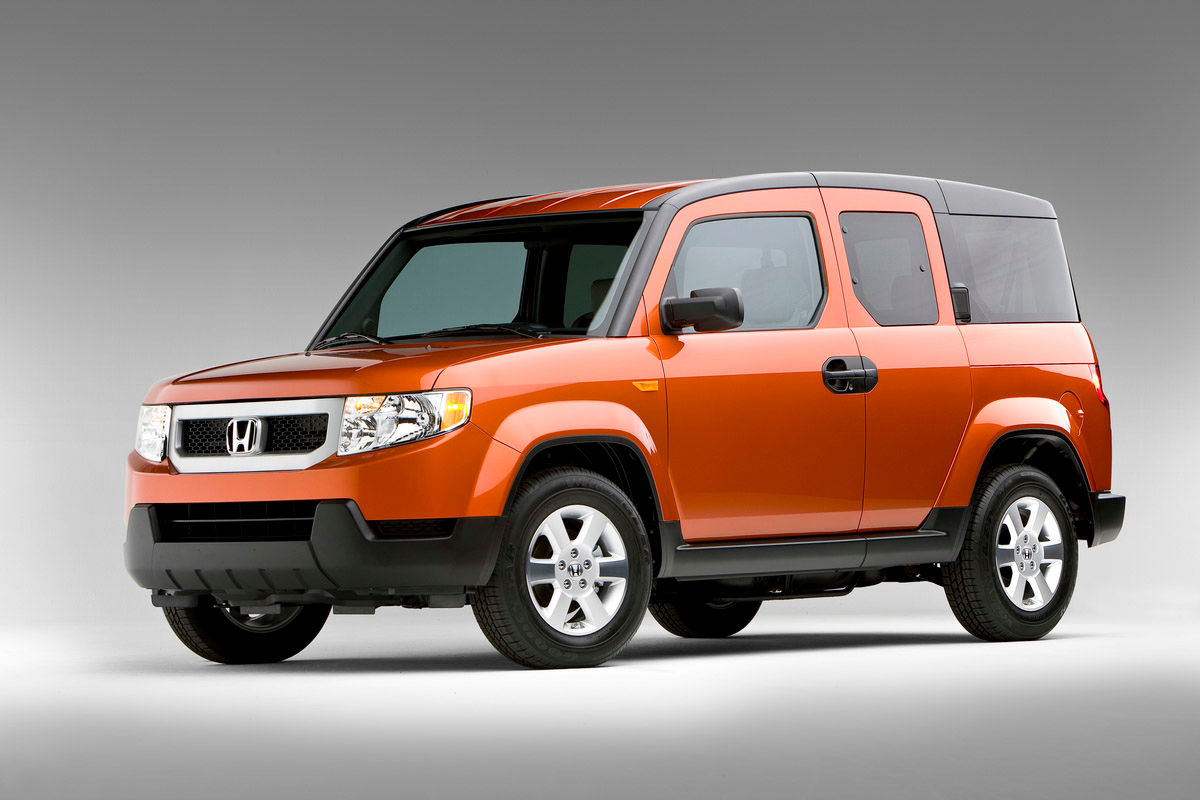
A 2009 Honda Element came in a 5-speed. Photo courtesy Honda
The Element was the end product of a concept vehicle called Model X that was imagined as far back as 1998 by Honda Research and Development. It went on to be produced for just one generation — model year 2003 through 2011 — receiving updates along the way.
It had an unmistakable design, from its squared-off exterior to its rear-hinged rear doors and versatile spray out cabin. The Element was marketed toward active individuals and families. Honda even advertised it as a multipurpose adventure tool.
Today, there is a huge community of enthusiasts in the Utah vicinity who love the Element. In fact, there’s a Facebook group with over 400 of them. There are Element fan groups spanning the continent, one of which hosts an annual meetup at Tail of the Dragon — U.S. Route 129, a scenic mountain road spanning North Carolina and Tennessee.
It just goes to show you that even a box on wheels can have as much fun on a twisty road as a sports car can.
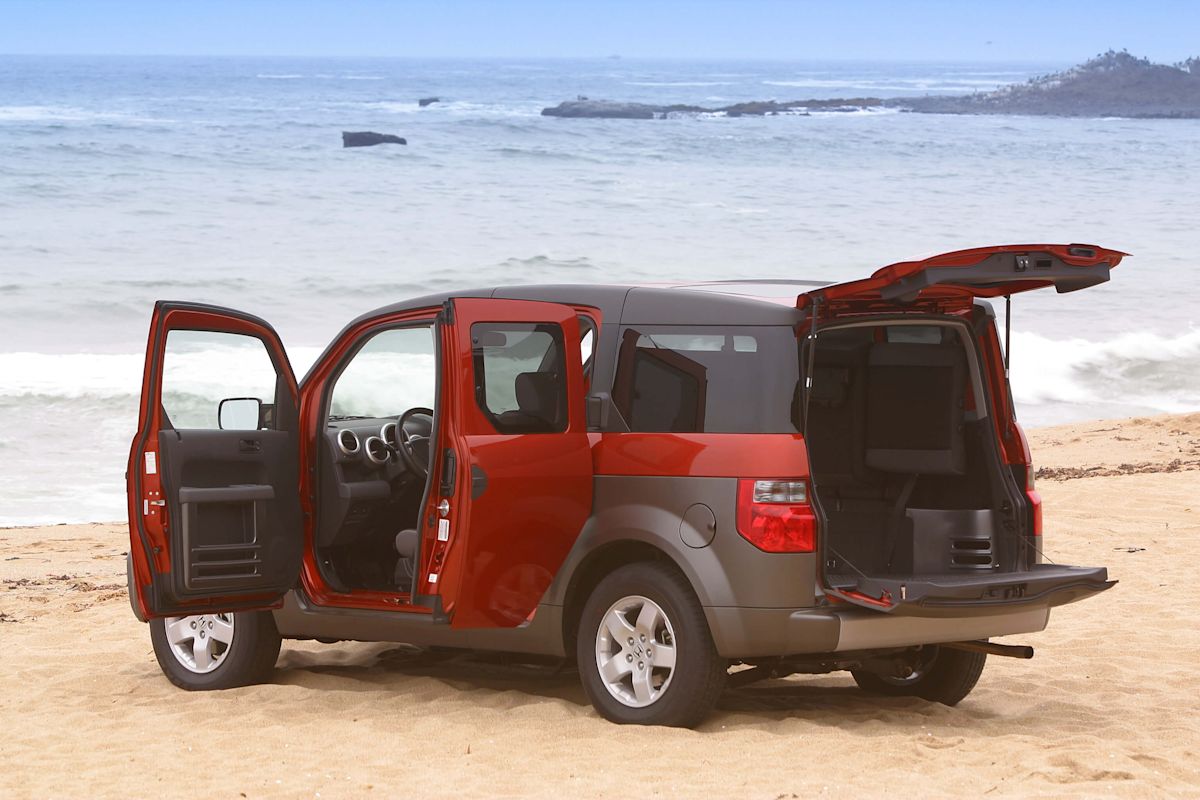
2003 Honda Element with its hinged rear door. Photo courtesy Honda
Power for the Element was provided by a K24 2.4-liter inline-4 with i-VTEC variable-valve timing. It was rated initially at 160 horsepower and 160 pound-feet of torque, but in 2007, a slight power increase bumped it to 166 horsepower and 162 pound-feet of torque.
The Element was available with a 5-speed manual or an automatic transmission. It was rated at 20 mpg in the city and 25 mpg on the highway. Most owners see around 21 mpg overall.
The Element could be configured in either front-wheel drive or an optional real time all-wheel drive system. A four-wheel independent suspension provided agile handling along with modest off-road composure.
The entry-level trim was the LX; the EX trim added an upgraded audio system, alloy wheels and styling enhancements. In later years, an SC trim offered a lowered suspension, 18-inch wheels, projector headlights and carpeted floors.
A fully loaded all-wheel drive Element EX was priced at $24,185 in the vehicle’s final model year of 2011. That was about the same as a nicely equipped Subaru Outback or a Volkswagen Tiguan, both of which it competed with.
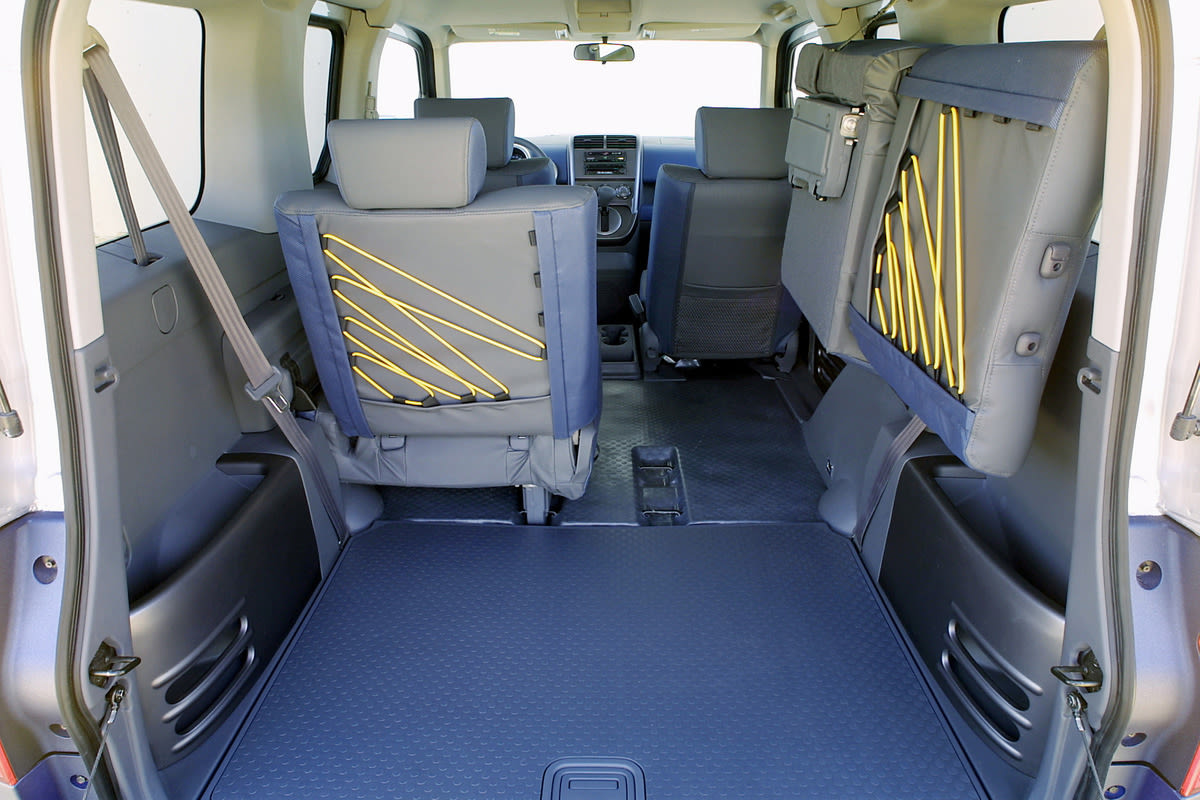
2003 Honda Element emphasized cabin versatility. Photo courtesy Honda
More than anything else, the Element emphasized cabin versatility. Its flat folding and removable rear seats made it possible to maximize cargo space — to 74.6 cubic feet. In addition, the tailgate and rear-hinged doors — called bi-parting — were designed to optimize access.
Easy-to-clean flooring and finishes were utilized throughout the cabin to make it easy to clean up. Storage solutions were abundant via compartments and cubbies. LX and higher models even came with a power outlet in the cargo area. Honda thought of everything!
After four years on the market, the Element was due for a few changes. Honda incorporated safety advancements such as side curtain airbags and standard Vehicle Stability Assist. The Element’s inline-4 was bumped up to 166 horsepower.
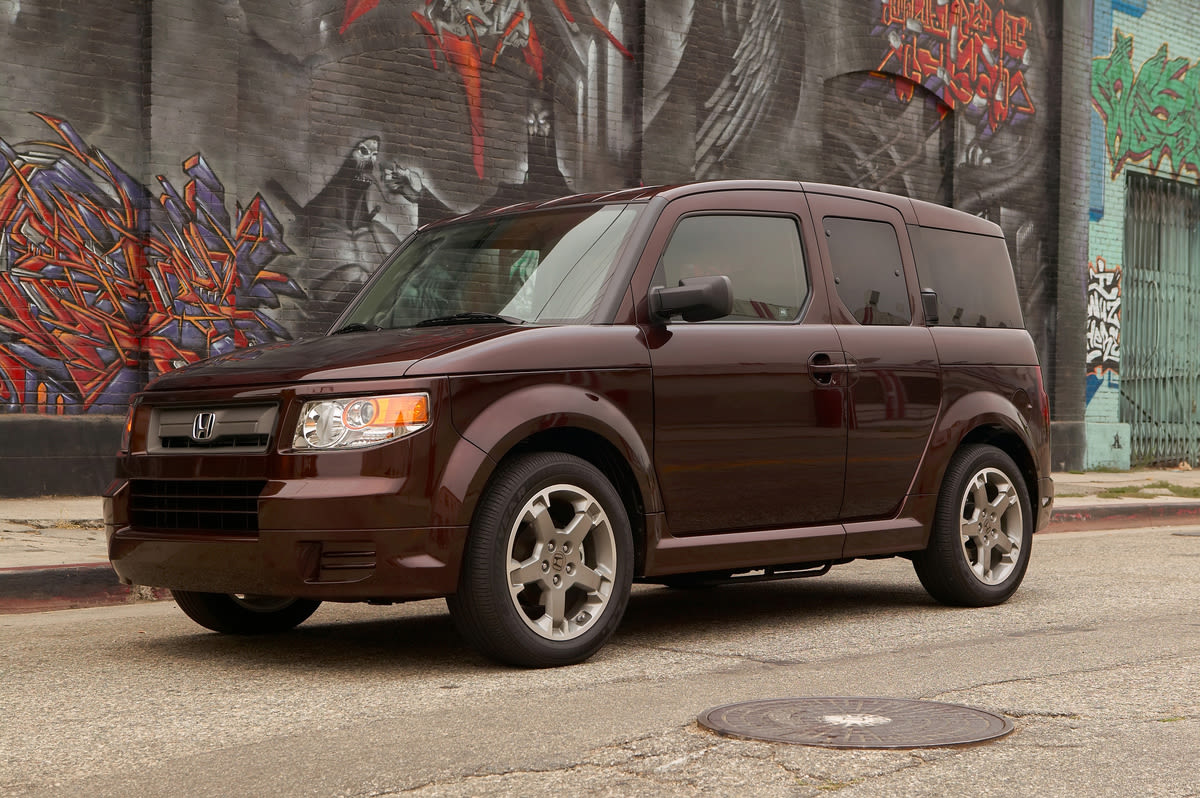
Honda Element refresh, circa 2007. Photo courtesy Honda
Other changes included an available 5-speed automatic transmission, instead of the previous 4-speed, as well as standard keyless entry for LX models, a standard tire pressure monitoring system and new styling.
The SC model made its debut that year too, offering a 20-mm lowered ride height and other unique features for a sporty appearance. Honda offered a unique color on the SC called Root Beer Metallic, which remains rare and desirable today.
In 2009, Honda changed up the front grille and bumper design, squared-off the wheel arches and modified the exterior lighting. A convertible center console was added with a removable cooler for EX models. Finally, an available satellite linked GPS navigation system brought the Element into the modern era of motoring.
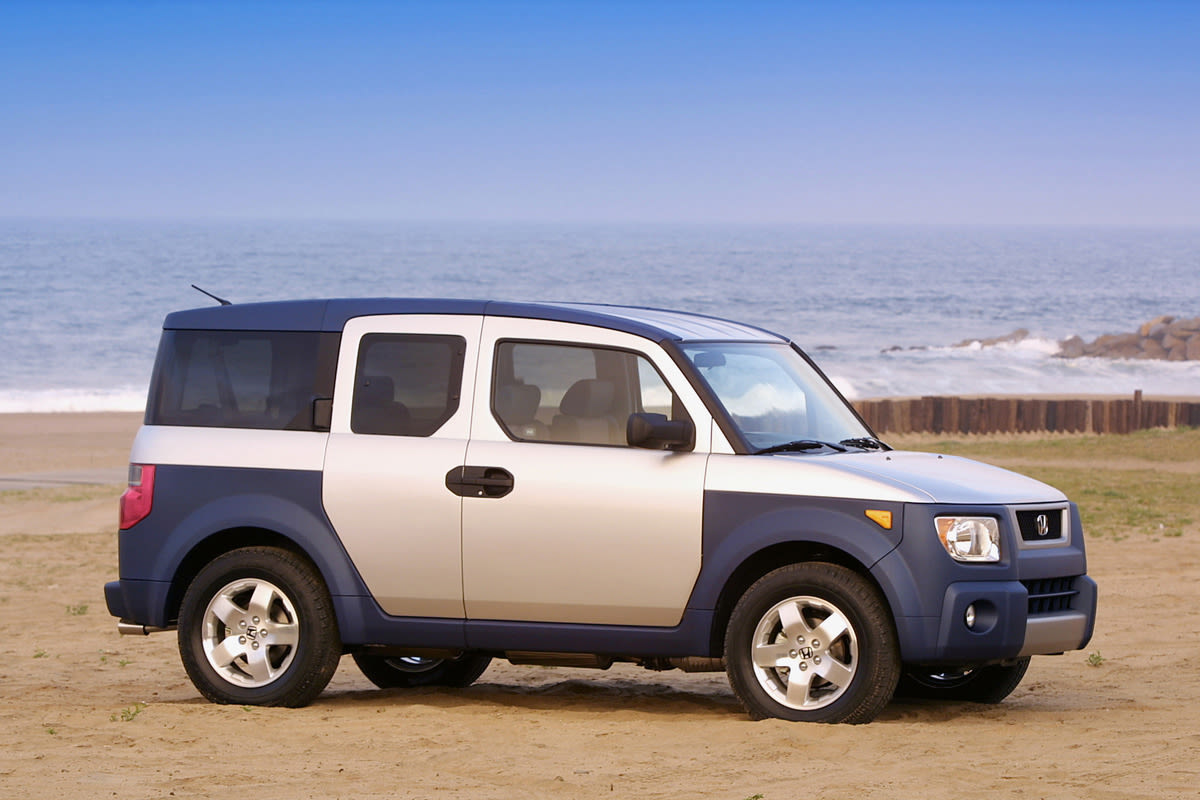
The 2003 Honda Element caught the interest of outdoor enthusiasts. Photo by Honda
The final year for the Honda Element was 2011. While the vehicle had a strong run, marketplace trends had shifted, and even Honda’s own compact CR-V crossover had begun to lure buyers away. Honda sold just 11,534 Elements in 2011, compared to the 67,478 that sold when it had first launched eight years earlier.
The Element left a lasting impression on the automotive world. Even more than a decade after its discontinuation, it remains a fan favorite in the Rocky Mountain region and beyond.
If you make a move in time, you can join the fun for next year’s annual Element meet-up in Tennessee. And take your pup along, especially if you can find and Element with the rare Dog-Friendly package
Find a Honda Element on KSL Cars