Car Buying Tips
You just got your license. The freedom of the open road is finally yours. All yours. Well, kind of. You have to share the freedom of the open road with thousands of other drivers, motorcyclists, cyclists and pedestrians. Which can make it feel not so open. Or free.
But when you take the time to learn and practice some important tips and techniques for sharing the road, your safe driving habits will become second nature. That means you can get back to cruising without a care in the world because you checked over your shoulder for a cyclist without even thinking about it.
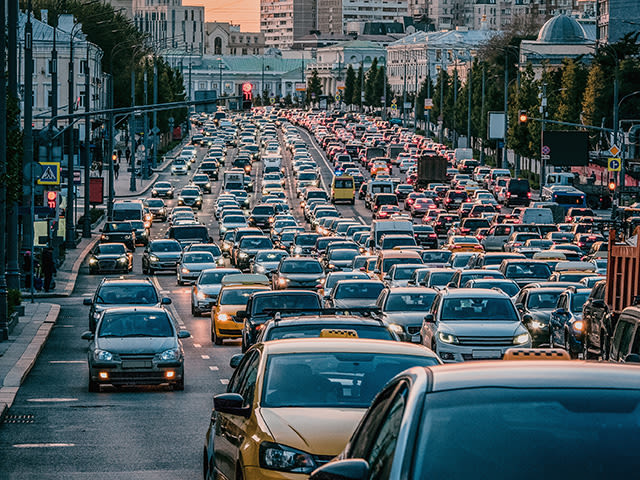
Before you start thinking about how to share the road with cyclists, bikers and pedestrians, you’ll probably notice those other big metal things on the road with you. Not only are other drivers your most common companions on the road, they’re also the most dangerous. Here are some tips to avoid accidents and arguments with your fellow drivers.
People love surprises on their birthdays. When they’re driving? Not so much. Always announce your intention to turn or switch lanes with the appropriate turn signal. And be sure to stay on guard for folks who like to treat driving like it’s a surprise party.
Using your turn signal doesn’t automatically mean that you’re in the clear. Always check your blind spots before merging. Blind spots are usually located just to the sides of your car, a little bit behind the driver’s seat. Get to know your car's blind spots — every vehicle is different. And although most newer cars have blind spot detectors these days, it’s always best to be extra careful, especially when considering cyclists and motorcyclists.
This isn’t a football game — no one likes a tailgater. Always leave plenty of space between you and the car in front of you so you’re prepared for sudden swerves, stops or accidents. How much room? Most safe driving organizations recommend the three-second rule. Pick a point along the road ahead, and when the car in front of you passes it, start counting. It should take at least three seconds for you to reach that point when practicing a safe following distance.
You can avoid making the driver in front of you mad by keeping a safe following distance, but there’s no guarantee the driver behind you will give you the same courtesy. When someone cuts you off or squeezes through a yellow light way too close for your comfort, take a deep breath.
Remember that absolutely nothing good can come from giving into road rage. The chances are close to zero that you’ll be able to teach that driver a lesson, and pretty high that you’ll get yourself or someone else hurt along the way. Letting it go is the best thing you can do.
Avoiding a drive when you’re experiencing strong emotions might be in your best interest, too. If you’ve got somewhere you absolutely need to be, it might be wise to avoid highways and take the scenic route. Those pretty views could calm you down, too.
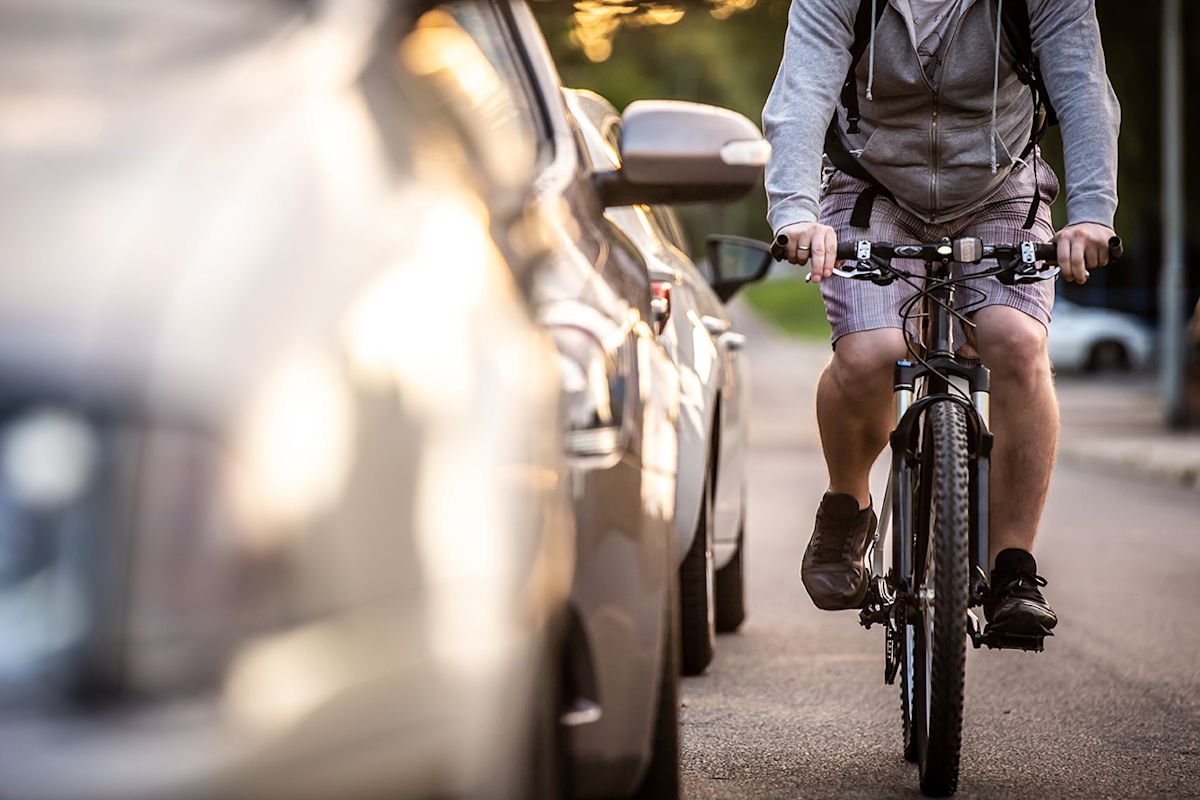
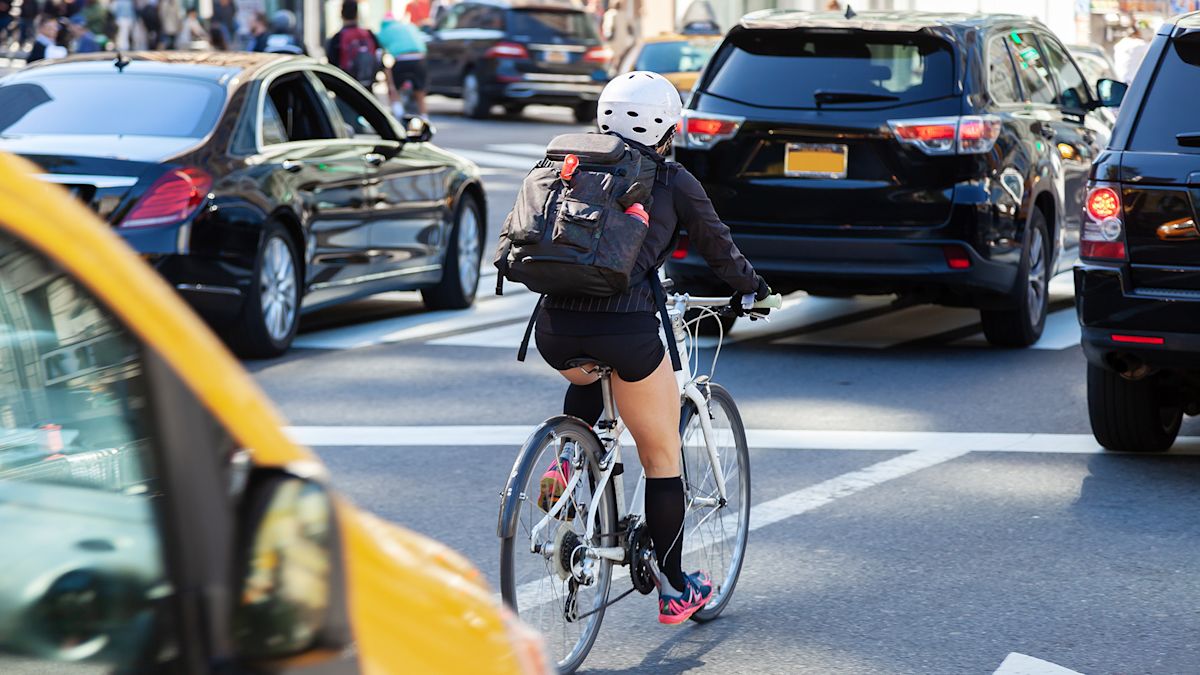
Cycling is a great form of exercise and a great way to get around town while minimizing your carbon footprint. Those benefits don’t make cyclists any easier to spot on the road, though. With a lot less bulk and no motor, cyclists are easy to miss. Unfortunately, they’re also much more exposed to potential injuries. Staying on watch for cyclists on city and suburban streets is incredibly important.
When passing a cyclist, always follow the golden rule of the road — pass others as you would like to be passed. Whether a cyclist is riding in a narrow bike lane or on the shoulder of the road, give them more space than you think you need to when passing. The law requires three feet, but there’s no harm in overdoing it, so long as the oncoming lane is clear.
Legally, a bicycle is just another vehicle on the road. When there’s no bike lane available, cyclists have the right to use the full lane like any other car. This will most likely happen when a cyclist is turning left and needs to leave the bike lane to cut across into the left turning lane. If you’re stuck behind a slow cyclist with no turn in sight, use those same deep breaths from earlier. You’ll still get where you’re going, and you’ll do it without getting into an accident with a cyclist.
Cyclists don’t have blinkers, but they still have the means to signal their intent to turn, stop or slow down. Here are the main cyclist hand signals you should familiarize yourself with:
Left turn: A left arm straight out.
Right turn: A left arm turned upward at a 90-degree angle OR a right arm straight out.
Stopping: A left arm turned downward at a 90-degree angle.
Remember that motorcyclists may use these same signals.
Whether you’re parked next to a bike lane or not, it’s extremely important to watch how you open your door in highly trafficked cycling areas like cities or parks. Hitting a cyclist with your open door, called “dooring,” can lead to serious injuries. Thankfully, there’s an easy trick to prevent dooring, or at least keep it at the top of your mind. By opening your door using the “dutch reach,” a method in which you use your right hand to open the door rather than your left, you’ll instinctively turn your body and face your side mirror. This will make it easier to see a cyclist coming.
If there was only one lane for cars and it was filled with bicycles, you’d be a little peeved, wouldn’t you? Give cyclists the same respect. Don’t park in bike lanes, even if it’s just for a few minutes.
You’re used to seeing “Objects in the mirror are closer than they appear” on your sideview mirror. When it comes to cyclists, it should say, “Objects in the mirror are faster than they appear.” You might think you have time to merge lanes or take a quick turn, but that cyclist is moving faster than you think. When you factor in the time it takes for you to slow down, it could spell disaster. Be especially aware of this when turning — either left or right. You might be blocking a cyclist’s path without leaving enough time for them to stop.
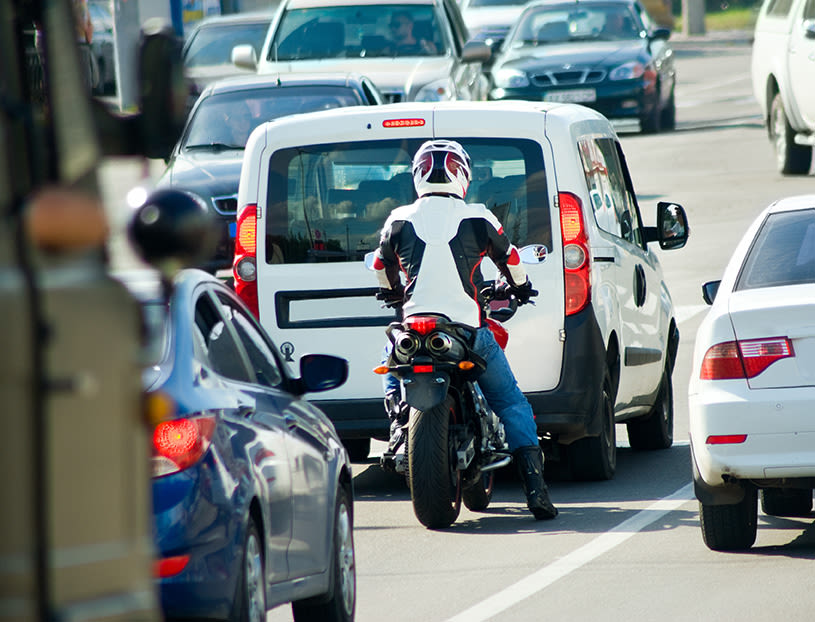
Good news: motorcycles make a little bit more noise than bicycles. But they still present their own unique challenges when sharing the road. And although leather jackets offer a little bit more protection than spandex, motorcyclists are still at a much higher risk for injury than drivers.
Yes, we already covered this. But motorcyclists (and cyclists) are harder for both you and your blind spot detector to catch. Because of their smaller size, motorcycles can literally go under the radar. Instead of relying solely on your car’s tech to catch a blind spot, give a glance over your shoulder too.
When following a motorcycle, you should leave more room in front of you than you would with a car. This is because motorcycles can stop more suddenly than cars can, so you won’t have the same amount of time or room to react as you would normally. No one likes a brake slam; it’s easier just to leave the extra room.
If you think driving a car in the rain is bad, try driving a motorcycle in the rain. Slick roads and poor visibility are much more dangerous for bikers than drivers. Any unfortunate motorcyclists who’ve been caught in bad weather will appreciate you giving them more room and caution than normal.
You should always be careful during left turns, especially when you’re considering squeezing one in because you have juuuuuust enough time. T-bone accidents are no joke in the best of circumstances, but if the oncoming vehicle is a motorcycle, they can be deadly. Consider the consequences before you risk it.
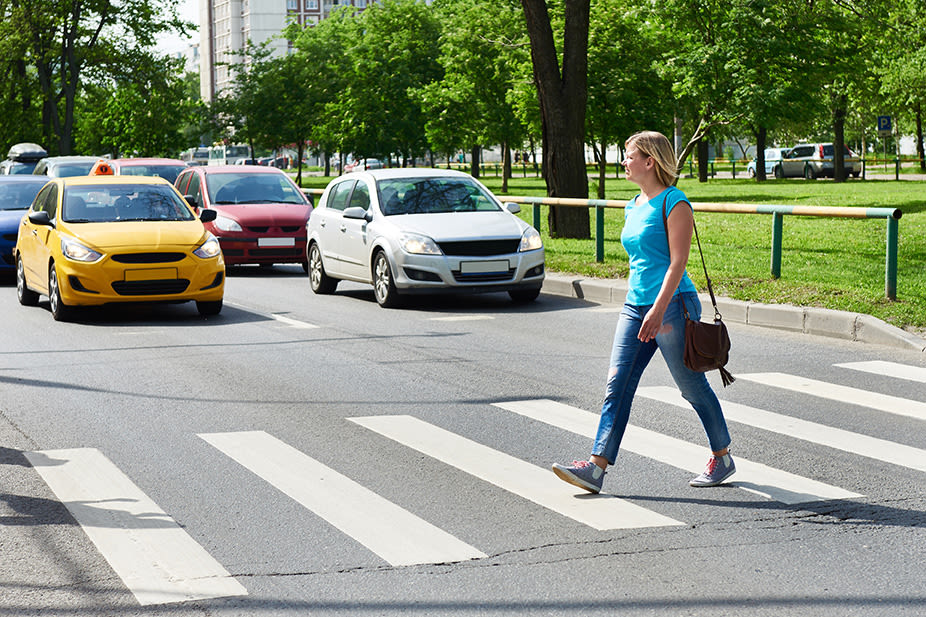
Last but not least, you’ll need to be on alert for pedestrians, aka drivers without cars. Even if you don’t live in a highly trafficked pedestrian area like a city, you might see runners, dog walkers and street-hockey players on your daily drives.
You don’t have to stop every time you see a crosswalk or pedestrian crossing sign, but you do need to slow down and look around. If a pedestrian is about to cross or already crossing, you need to stop and let them through. Some crosswalks have flashing lights to alert drivers, but not all do, so keep a sharp eye out when you see those white lines.
You should be extra careful in the city. Pedestrians often have walk arrows when you might not expect them to, like when you’re turning right on a red light or left on a green one. Start your turns slowly on city streets, and be sure to always look around carefully.
The car in front of you probably didn’t slow to a stop for no reason. There could be a pedestrian crossing the road, and passing that car would result in an unfortunate meeting between the two of you. Take a good look around and wait a few moments. If the car appears to be stopped for no reason, you can cautiously go around it.
This is great advice to avoid fender benders too. There are a lot of moving parts in a parking lot, and pedestrians can be at their most unpredictable when cutting diagonally across to their shopping cart.
When pedestrians don’t have a sidewalk, they’re instructed to walk against traffic, as far from the flow of vehicles as possible. You can help them out by giving them plenty of room. Remember the golden rule of the road and imagine yourself as that pedestrian.
Now that you’ve got these tips in your toolbelt, you’re ready to hit the road. KSL Cars and Keys to Success encourage you to keep this advice in your mind every time you start your engines, and if you’re still looking for an engine to start, you can find plenty of affordable used cars on KSL Cars. You can also find more advice for early drivers in our resource center.