Car Buying Tips
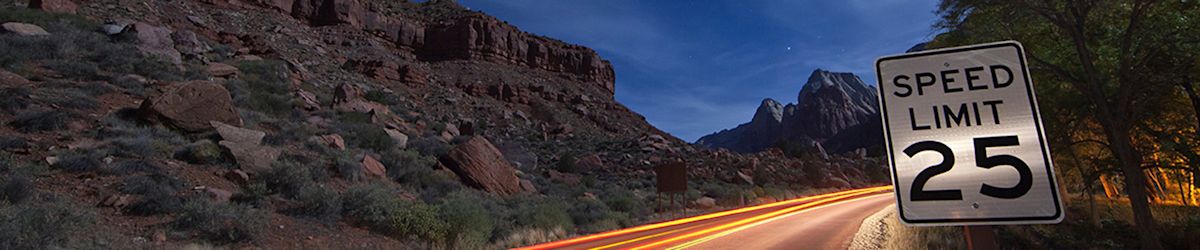
Do you feel the need, the need for speed? We suggest heading to your local go-kart track. But for everyone else, we have answers to your rubber-burning questions about the dangers of driving too fast.
First, what’s speeding? Every major road across the country has a speed limit, which is posted at regular intervals. The limit is not just a random number decided by a bunch of killjoys. Each state’s legislature determines what the speed limit should be based on engineering studies.
Experts consider factors such as road type — a freeway is built for higher speeds than a suburban neighborhood’s. They consider potential hazards and how many accidents have occurred on the road. Engineers also take into account how many pedestrians or bicyclists might use it.
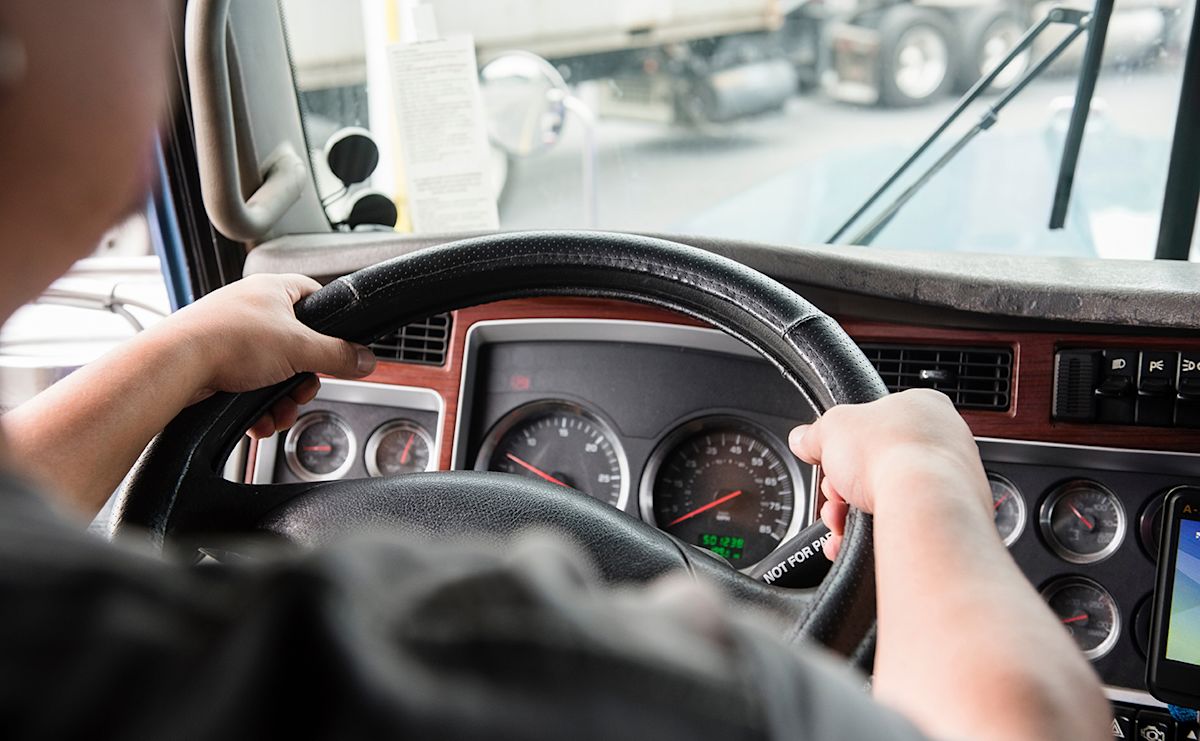
Speeding, then, is driving faster than experts deem safe for the road you’re traveling. In certain conditions, however, even the posted speed limit is too fast. When the weather is bad — snow, heavy rain, fog — or when a road is under construction, you’ll need to slow down.
Historically, speeding is a factor in one-third of all traffic fatalities in the U.S. Going faster than recommended endangers not only yourself, but other vehicles and people around you.
As you drive, you quickly learn that the faster your car is going, the longer it takes to stop. You may have discovered this the hard way as you came to a screeching halt at a changing stoplight. But It’s not only your stopping time and distance.
The faster you are going, the less time you have to react. Say a couch cushion bounced out of the back of a pickup truck traveling in front of you. If you’re traveling a safe speed and distance, you’re more likely to have time to avoid the flying object.
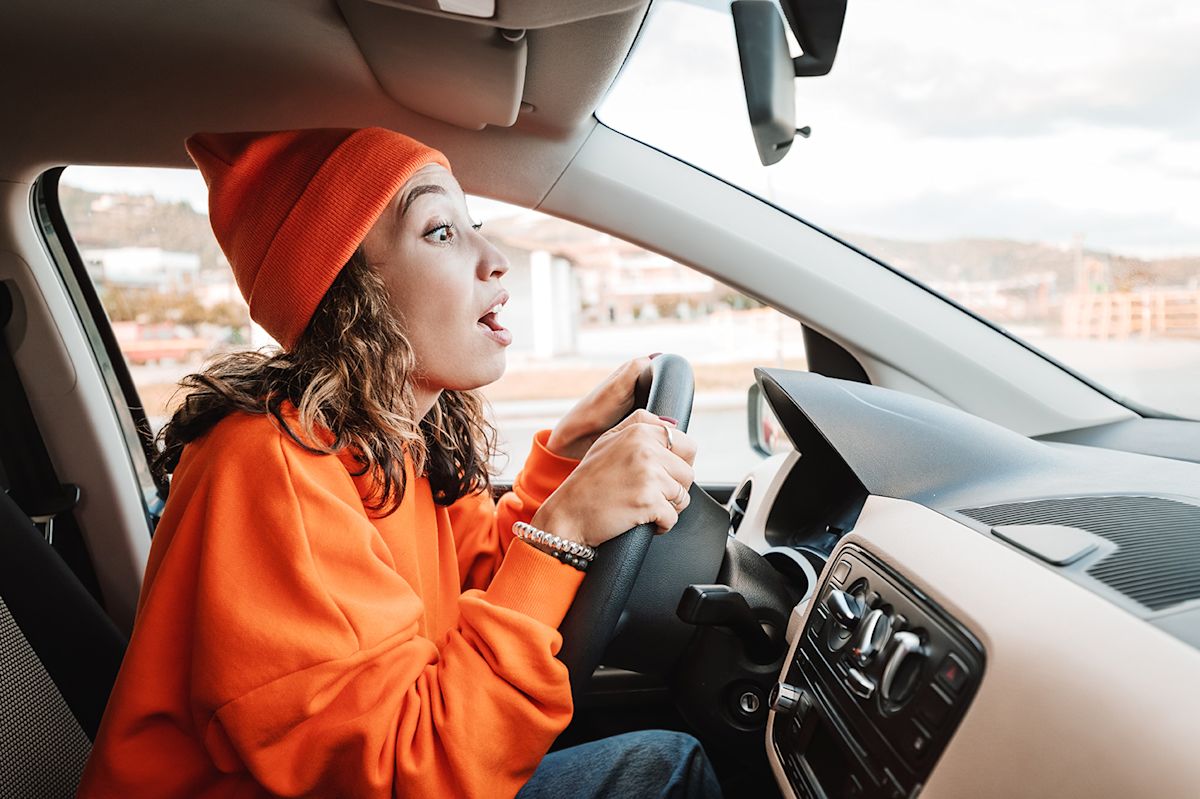
At higher speeds, you’re more likely to overcorrect your steering. Because the car is moving quickly, a seemingly small turn of the steering wheel could mean big movements. Trying to get the car back into proper position takes longer, or it could end with a rollover.
And if you do have an accident, the chance of serious injury, or even death, is greater. Damage to your car and whatever you hit will likely be greater, too.
Roads are designed with equipment to protect drivers, such as guardrails, median dividers and concrete barriers. They’re valuable because accidents do happen, even when you’re doing all the right things. But they’re designed with the speed limit in mind. If you’re exceeding it, the safety structures can’t do their job. Your car’s safety systems — seatbelt, airbags — won’t be as effective, either.
It’s not only high speeds on freeways that lead to accidents. Yeah, we’ve been in a high school parking lot. Not to mention the neighbor who launches out of the driveway without looking both ways.
Of course, you probably won’t get into an accident every time you speed. But there are other drawbacks, namely how it affects your wallet. Vehicles use up more fuel the faster they go. If you regularly speed, you’ll be filling up at the pump much more often than your conscientious friends. Similarly, driving at high speeds in an electric vehicle drains the battery and reduces its range, so you’ll need to charge it more often.
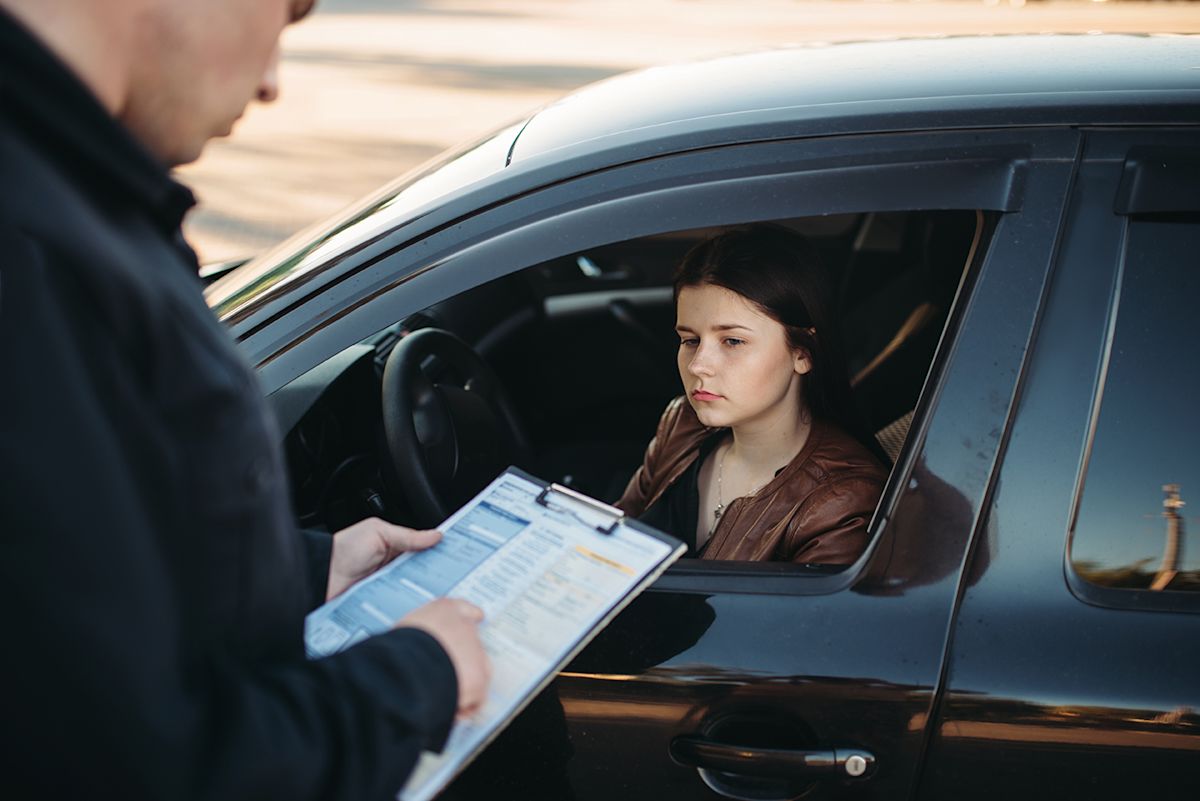
And, of course, there is the chance of getting a ticket — and not the rad concert kind. How much is a speeding ticket in Utah? Not cheap. As little as 1 mph over and you could be paying more than $100. Basic fines increase based on how fast you were clocked driving over the speed limit.
1-10 mph over: $130
11-15: $160
16-20: $210
21-25: $280
26-30: $380
31+: $480, plus $10 per mile over 31
But it could be more; counties can impose additional fines.
Well, how long does a speeding ticket stay on your record, anyway? In Utah, it’s three years. And if you’re wondering, do speeding tickets affect insurance? Yep, you’ll be paying about 24% more for the next three to five years. That’s quite a bit of cash to spend to save a minute or two on the road.
Sure, you might be running late to school or work. Or maybe you’re just in a hurry. But driving too fast isn’t worth risking your safety — or those around you. Take the advice of KSL Cars and Keys to Success: Obey the speed limit.
Find the car to get you places on KSL Cars. We have thousands of affordable options.