Car Buying Tips

For many of us, switching from gas-powered cars to electric vehicles feels like giving up our favorite soda for a healthier drink. It’s not just about personal taste. It’s about comfort, habit and even a little nostalgia.But according to Edmunds, about one in 10 new cars sold today is electric, and CarMax reports that searches using the EV filter have doubled since 2022. That’s a significant shift, and proof that EVs are becoming a real option for everyday drivers.
Over the past decade, EVs have become more common, affordable and practical, making the transition easier than ever. While consumers may have been slower to adopt EVs than initially projected, the fact remains: Sales have shown steady growth over the past decade.
That momentum hasn’t happened by accident. It’s the result of key changes that are reshaping how people think about driving, technology and what’s possible on the road.
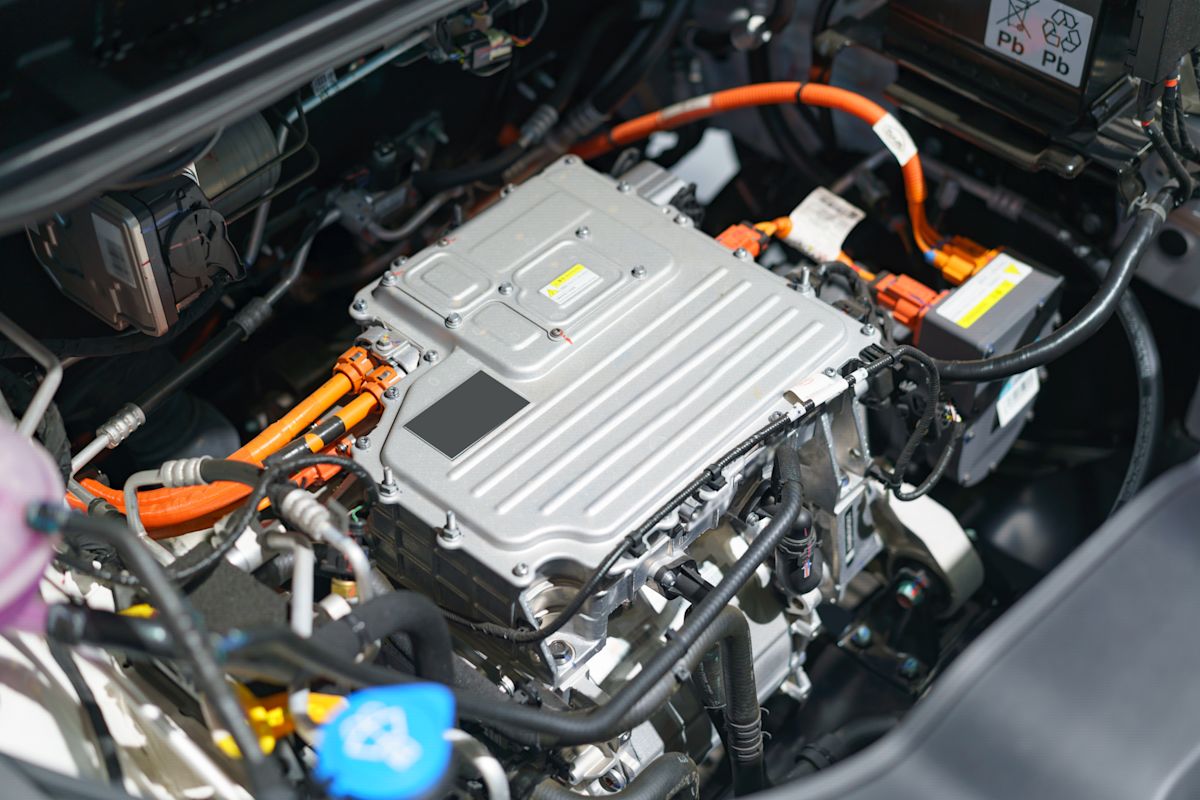
In newer EVs, you'll only need one charge to take you from Salt Lake to St. George.
Range anxiety was once the EV buyer’s biggest holdup. In 2019, the average EV range was just 209 miles. Today, it’s common to find models that can drive over 300 miles before needing a recharge. That’s enough to go from Salt Lake City to St. George.
Many popular mid-tier EVs now offer ranges up to 373 miles, putting them on par with most gas-powered vehicles in the same class.
The charging experience has seen a major upgrade. Many EVs today can add over 200 miles of range in under 20 minutes at fast-charging stations. And charging infrastructure is no longer a rarity. You’ll find stations along I-15, in grocery store parking lots, and even in some Utah apartment complexes.
At home, most EV owners charge overnight, waking up with a “full tank” every morning. It’s not only more convenient than weekly gas station runs, it’s also cheaper, especially with time-of-use electricity pricing.
Some models even support Vehicle-to-Grid technology, allowing owners to send power back to the grid during peak demand, turning EVs into part of the broader energy solution.
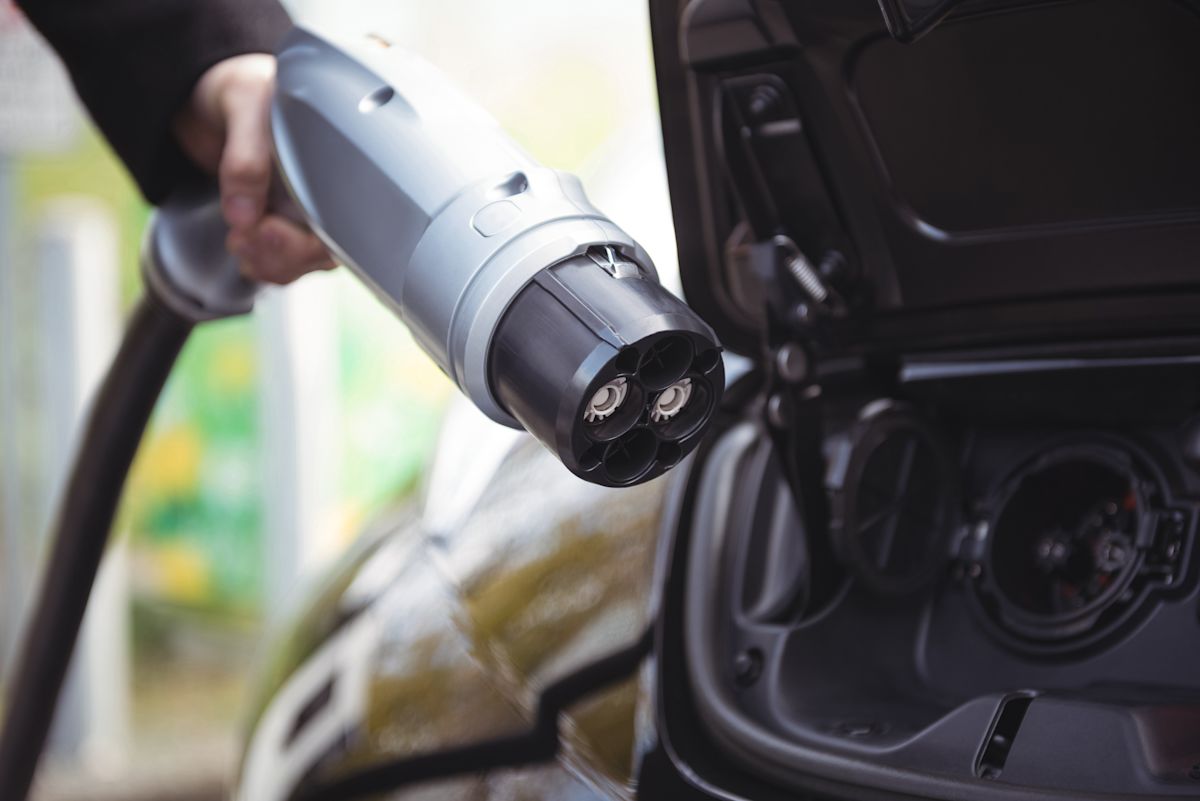
There are more fast charging stations around today, making travel less iffy.
In the early days, EVs were limited to small, futuristic looking sedans. Today, there are all kinds of models from almost every manufacturer competing for market share.
Whether you're looking for a tough truck, a speedy sports coupe or a spacious SUV, there’s likely an EV that fits your lifestyle. That now includes everything from small electric vehicles ideal for city driving to electric utility vehicles designed for worksites, farms and outdoor recreation.
Many newer models also feature advanced driver assistance systems, and some are pushing toward full autonomy. As autonomous driving capabilities improve, they’re becoming closely linked with EV platforms.
Features such as automated lane changes, adaptive cruise control and over-the-air software updates are making EVs smarter and safer, driving even broader adoption.
When electric vehicles first hit the market, affordability was a major hurdle, but that’s changing quickly. In 2025, several new budget-friendly models are launching with starting prices around $35,000 — before any tax credits. The growing inventory of used EVs is also helping to bring prices down, making it easier than ever to go electric without breaking the bank.
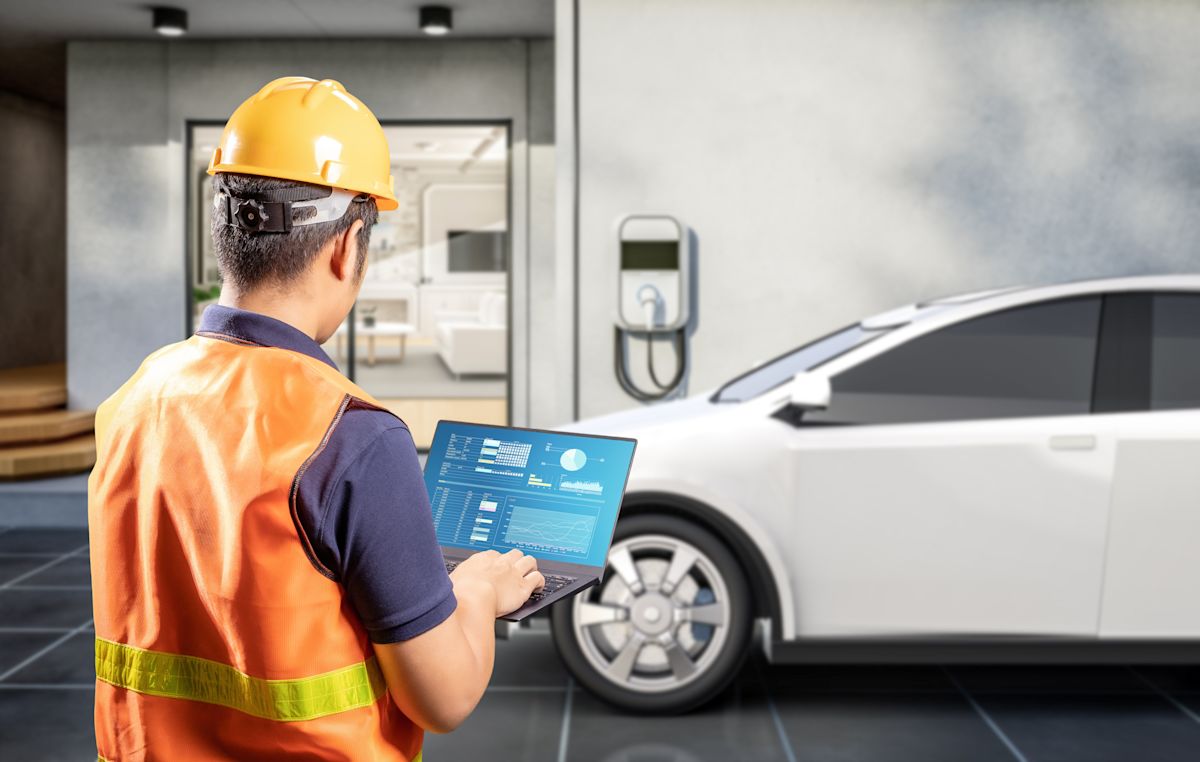
You may take fewer trips to the auto shop when you drive an EV.
EVs don’t need oil changes, spark plugs or transmission fluid. Fewer moving parts mean fewer potential failures. Thanks to regenerative braking, even brake pads last longer. Most owners describe the maintenance experience as shockingly simple. It’s one of the top reasons many EV drivers say they’d never go back to gas.
While EV makers have been touting the eco-friendliness of their product, there have been real concerns about how batteries are made. Lithium-ion batteries rely on materials such as lithium, cobalt and nickel, which raise environmental and ethical questions due to mining practices.
But the industry is adapting. Automakers and battery suppliers are sourcing materials from certified ethical supply chains, investing in battery recycling programs, and developing solid-state batteries that need fewer rare materials.
The truth is that producing an EV can be more resource intensive up front than building a gas-powered car. But over time, EVs are much easier on the environment.
Lithium is extracted once to power a vehicle for years, whereas oil has to be drilled, refined and burned continuously throughout a car’s life cycle. And EVs emit nothing from the tailpipe, helping improve air quality all along the Wasatch Front.
As battery technology improves and supply chains become more sustainable, the environmental case for EVs just keeps getting stronger.
Looking to the future, EV adoption will continue to grow. The Edison Electric Institute estimates that by 2035, nearly 80 million EVs will be on U.S. roads — about a quarter of all vehicles. S&P Global Mobility is even more optimistic, predicting that EVs could make up 40% of all new car sales by 2030. This shift means more choices, lower costs and cleaner air for everyone.
With so many electric vehicles on the road in 2025, it can be hard to know where to start. Here’s a quick look at some of the most talked about models. Each offers a mix of performance, range and everyday convenience.
A top-selling electric SUV with up to 327 miles of range, quick acceleration and ample seating for five. Great for families and commuters. Starts around $45,000. Shop Tesla Model Y on KSL Cars
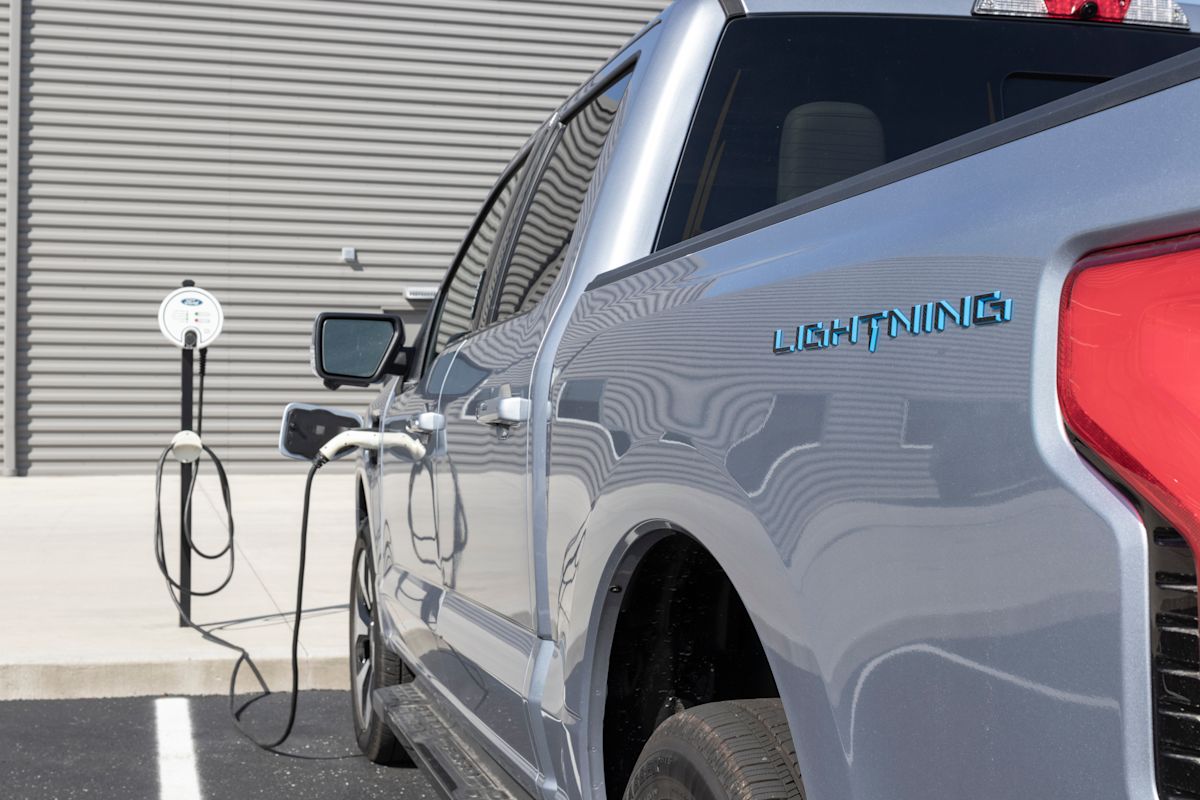
Choose from cars or trucks when you want an EV.
America’s best-selling truck goes electric, offering serious power, a 320-mile range and starts at around $63,000.
Shop Ford F-150 Lightning on KSL Cars
Sleek, fast-charging and full of tech, this futuristic crossover delivers up to 318 miles of range. The Ioniq 5 starts around $42,000.
Shop Hyundai Ioniq 5 on KSL Cars
Built for adventure, this luxury electric SUV seats seven and goes up to 410 miles on a charge. Pricing starts around $76,000.
A high-end EV with up to 450 miles of range, sleek design and premium features throughout. This one starts around $70,000.
While the upfront cost of an EV can be higher, they typically offer lower fuel and maintenance expenses over time. Federal incentives can also reduce the purchase price by up to $7,500, depending on the vehicle.
Most charging happens at home, either in a garage or driveway. When you're on the road, thousands of public charging stations are available and easy to find using apps such as PlugShare or ChargePoint.
Yes. Most EV owners install a Level 2 charger for faster overnight charging. You can also plug into a standard outlet, but that charges the vehicle very slowly — only a few miles of range per hour.
Running out of charge is uncommon with proper planning. Most EVs feature range warnings and navigation to nearby charging stations. If needed, roadside assistance can tow your vehicle to the nearest charger.
Charging costs vary by location and provider. At home, it typically costs 3 to 5 cents per mile. A full charge on the road can range from $15 to $40, which is generally cheaper than filling a gas tank.
Yes. Modern EVs are very reliable, with fewer moving parts and lower maintenance needs. Brands such as Tesla, Hyundai and Ford have significantly improved quality and performance in recent years.
Absolutely. EVs deliver instant torque, quiet acceleration and smooth handling, making them a joy to drive.
Yes, but most use a single-speed transmission. EVs don’t need multiple gears thanks to instant torque, resulting in simpler mechanics and smoother driving.
As of 2025, the Lucid Air Grand Touring holds the title for longest range, offering up to 512 miles on a single charge, according to the Environmental Protection Agency.
*KSL.com does not endorse any vehicles.