Car Buying Tips

We’ve all heard the horror stories. A neighbor adds a teenage driver to their auto insurance, and suddenly they need a loan to pay the $1,000 per month premium. Or, a recent accident doubled a friend’s rates — and it wasn’t even their fault! Relax. You don’t need to drive like a tortoise or throw away the keys in fear. Consider the factors that affect your car insurance rates; you may have more wiggle room than you thought.
If you own a vehicle in Utah, state law requires that you have liability insurance coverage; this covers the other car and/or driver if you are at fault in an accident. Required minimums include:
Bodily injury liability: $25,000 per person or maximum $65,000 per incident
Property damage liability: $15,000 per accident
Personal injury protection: $3,000 per person, covers reimbursement for medical expenses, essential services and partial wage loss
In addition to the required liability insurance, most drivers also have collision and comprehensive coverage. If you are at-fault in an accident, collision insurance covers repairs to your own vehicle. Comprehensive coverage goes beyond accidents; it covers other potential issues such as theft or vandalism.
Many insurance agents recommend adding uninsured/underinsured motorist coverage; this protects after an accident if the other driver is at fault but does not carry insurance, or their coverage is insufficient to cover your damages. Other add-ons might include issues such as:
Roadside assistance/towing
Windshield replacement
Accident forgiveness
Rental reimbursement
Medical payments
As with all types of insurance, the more coverage you have, the higher your premiums will be.

Car insurance rates are partially determined by the make and model of your vehicle.
Part of determining your premiums is based on the vehicle you’re insuring. Mainly, insurance algorithms factor in the current value of your vehicle, as well as claims and accident records of the same model already on the road. Overall, minivans and compact SUVs tend to be the cars with the best insurance rates.
Vehicles today are loaded with safety technology, which is good for helping you drive safer. But, they’re also much more costly to repair. A fender bender is no longer just hammering out a dent; it could also mean replacing the adaptive cruise control and parking sensors.
Insurers also look at the vehicle’s body size and how much damage it might cause in an accident. If a heavy, full-size pickup truck slams into a small sedan, it’s going to leave a mark. Typically, the larger your vehicle, the more you’ll pay to insure it.
The vehicle’s engine size is another factor. High-powered vehicles, such as supercars, are often driven more aggressively than a minivan (aside from when you’re late for school carpool). If you bought a car built for racing, you’ll pay more to insure it. Models that are frequently stolen may have higher premiums, as well.
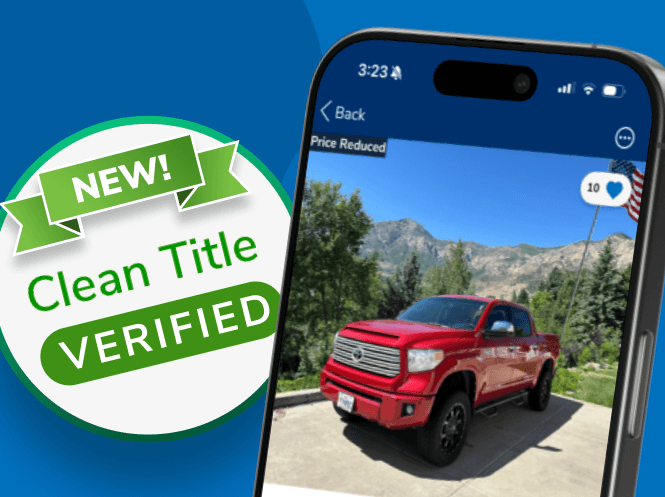
Do red cars have higher insurance rates? If you’re torn between the coastal gray or the candy apple pearl paint, you can go with your gut on this one. According to the Insurance Information Institute, there’s no upcharge for any vehicle color.
You may select the amount of your deductibles and limits. As with health insurance, the deductible is the amount you pay out-of-pocket before the vehicle insurance kicks in. The higher your deductible, the lower your premium. The limit is the maximum amount your insurance company will pay toward a loss.
Several demographic risk factors may play a role in your car insurance cost.
Age: premiums are highest for drivers under age 24 and over 65.
Gender: women are considered a lower risk than men, who may drive more aggressively
Marital status: married drivers are considered safer
ZIP code: cars owned by city dwellers are more likely to be vandalized or stolen; also more traffic means a higher chance of getting into an accident
Credit history: a driver with a higher credit score is considered safer than someone with a poor credit rating
If you haven’t had any accidents or serious infractions, such as a DUI or distracted driving, congratulations! A clean driving record usually means much lower insurance rates. And the longer you drive with a good record, the better your rate should be. Most major insurance companies even have a good driver discount program.
Rates are higher for new drivers because there is no history to determine their driving behavior. For any driver, excessive claims or accidents — such as three in three years — will likely mean a higher bill, too.

Insurance premiums are highest for drivers under age 24 and over 65.
To determine your claim history, insurance companies rely on the Comprehensive Loss Underwriting Exchange report. The CLUE report lists all of your insurance claims from the previous seven years. It includes the date and type of claim you made, as well as the amount the insurance company paid out.
The report also includes the name of previous insurers, both processed and denied claims, and it includes any files used to process those claims. Your rate will be influenced by the severity and the number of your past claims. And if you’re thinking, “Well, I’ll just switch companies,” it won’t help. Your CLUE record sticks with you.
If your car insurance rates are going up, or you’d just like to pay less, talk with your provider about possible discounts; you may not need to change your coverage choices to get them. Some may include:
Multi-vehicle discount: insure more than one vehicle on the same policy
Bundling: combine your home and car insurance to reduce premiums for both
Go paperless: get all your renewal statements, bills and policy cards online
Automatic payments: set up auto pay, or make payments semiannually instead of monthly
Good student driver discount: for students with a minimum 3.0 GPA
Good driver discount: if no drivers in the household have a moving violation for three years
Driver monitoring program: a phone app monitors your driving habits
Defensive driving course: if you’re over age 55, take a state-sanctioned course; it may reduce your premium for the applicable coverage by 5-10% for three years
Loyalty discount: for long-time customers
Low mileage discount: if you drive less than 7,500 miles per year
If you’re considering buying a new vehicle, be sure to factor in the insurance cost as part of your budget. Contact your agent; they can give you a general quote based on the year, make and model you’re considering. For previously owned vehicles, you may get a closer estimate if you can provide the vehicle identification number.
Find the vehicle that fits your driving needs and budget on KSL Cars.